
Polyclay Cladding
See it at the Choolai showroom · catalogues on WhatsApp
23 designs in the library
Façades
Clay-look cladding for façades, compound walls and lobbies.
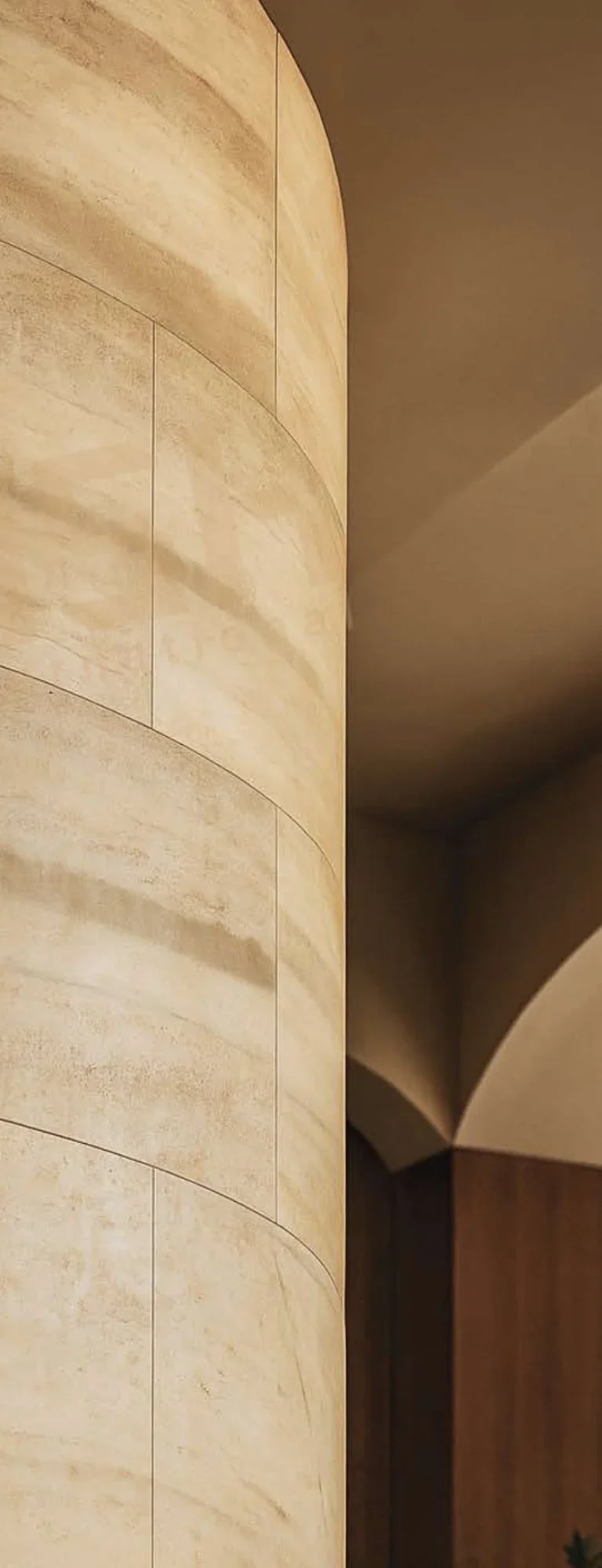
Thin, flexible panels cast from natural clay and sand with a travertine-like texture, 120 x 60 cm and about 2 mm thick. They bend around curves and columns.
Details
- Material
- Natural clay and sand with polymer resin and fibreglass mesh
- Thickness
- ~2 mm
- Sizes
- 120 x 60 cm (customizable)
- Finishes
- Natural stone (travertine) texture
- Suits
- Façade, Hospitality
Documents
Questions
What is polyclay cladding?
A thin, flexible cladding cast from natural clay and sand with polymer resin and fibreglass mesh, carrying a travertine or stone texture.
How thick is polyclay?
About 2 mm. Panels are 120 x 60 cm, and other sizes can be made to order.
Can polyclay be used on curved walls and columns?
Yes. The panels bend around curves and columns and can be cut for edges.
Is polyclay used on exterior walls?
Yes. It is offered for façades and compound walls as well as interior walls.
How is polyclay different from clay tiles?
Clay and ceramic tiles are rigid. Polyclay is a thin panel, about 2 mm, that flexes to follow a curve.
Can I see Polyclay Cladding before I choose?
Yes. Polyclay Cladding is on display at the Inlife Experience Centre, 2 Baker Street, Choolai, Chennai. Visit Monday to Saturday, 10 am to 8 pm, or arrange a time and we will have it laid out for you.
How do I get the Polyclay Cladding catalogue and samples?
Add Polyclay Cladding to your sample box, or ask on WhatsApp. We share the latest catalogue on WhatsApp, and samples can be viewed at the showroom or sent to offices in Chennai for viewing.
How do I get a quote?
Send the area, location and preferred design on WhatsApp, or bring your drawings to the showroom. Quotes are prepared for each project.
In place
The library · 23 designs
Featured designs
 PO1
PO1 PO3
PO3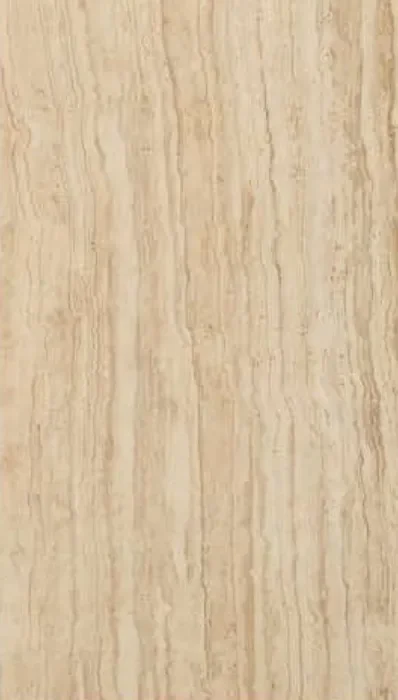 MO9
MO9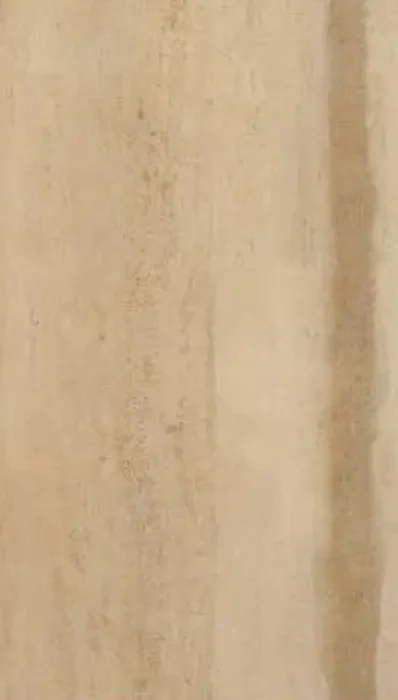 MO6
MO6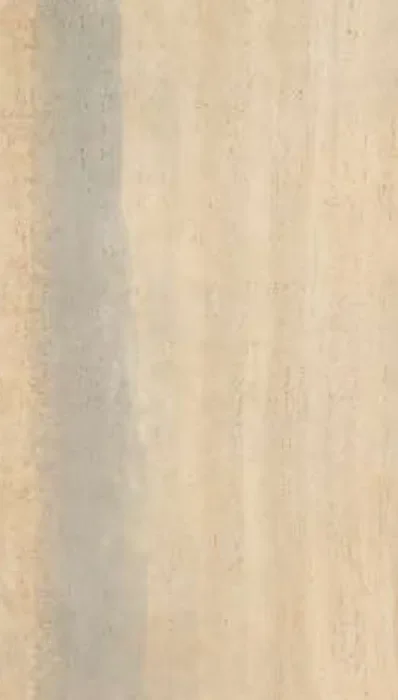 MO8
MO8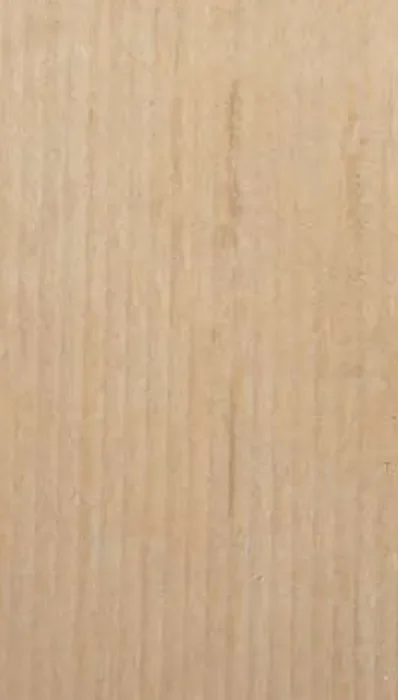 MO7
MO7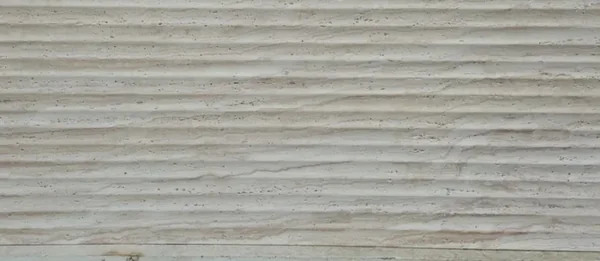 Polyclay design 2
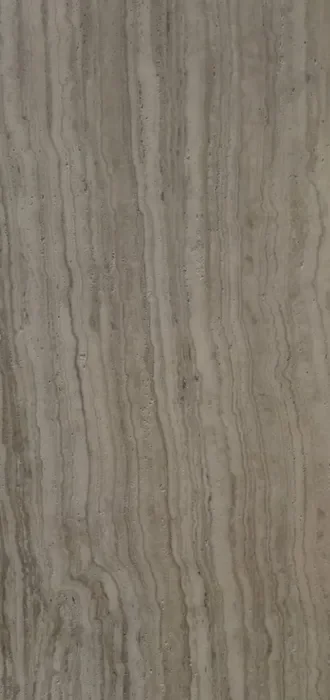 Polyclay design 5
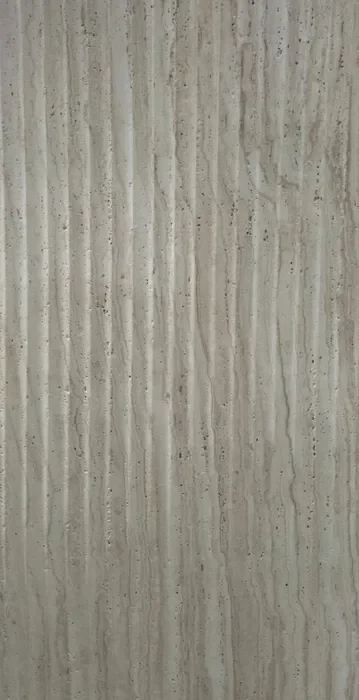 Polyclay design 8
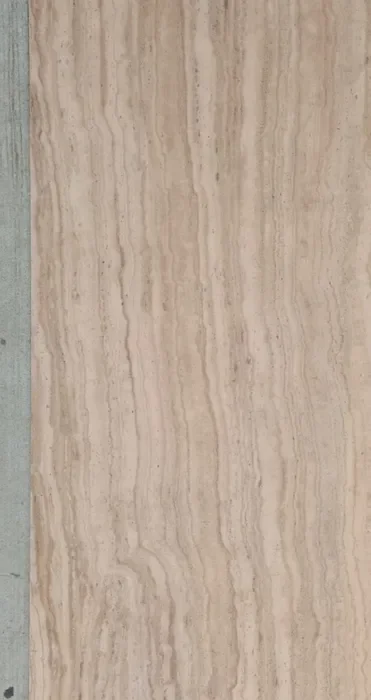 Polyclay design 9
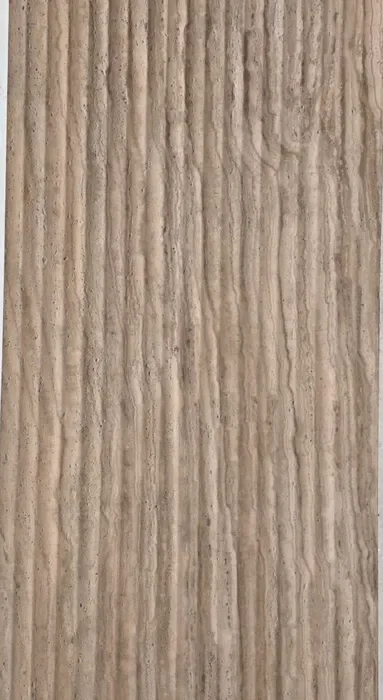 Polyclay design 13
Material guide
A guide to polyclay cladding
Polyclay cladding is a thin, flexible clay wall cladding made from natural clay and sand with polymer resin and fibreglass mesh. About 2 mm thick, each 120 x 60 cm panel takes its surface from a mould of real stone, with the pitted grain of travertine. Inlife shows 23 designs.
Polyclay is a thin, flexible cladding cast from natural clay and sand. Each panel takes its surface from a mould of real stone, so it carries the pitted grain of travertine in a sheet about 2 mm thick that bends around curves and columns.
What it is
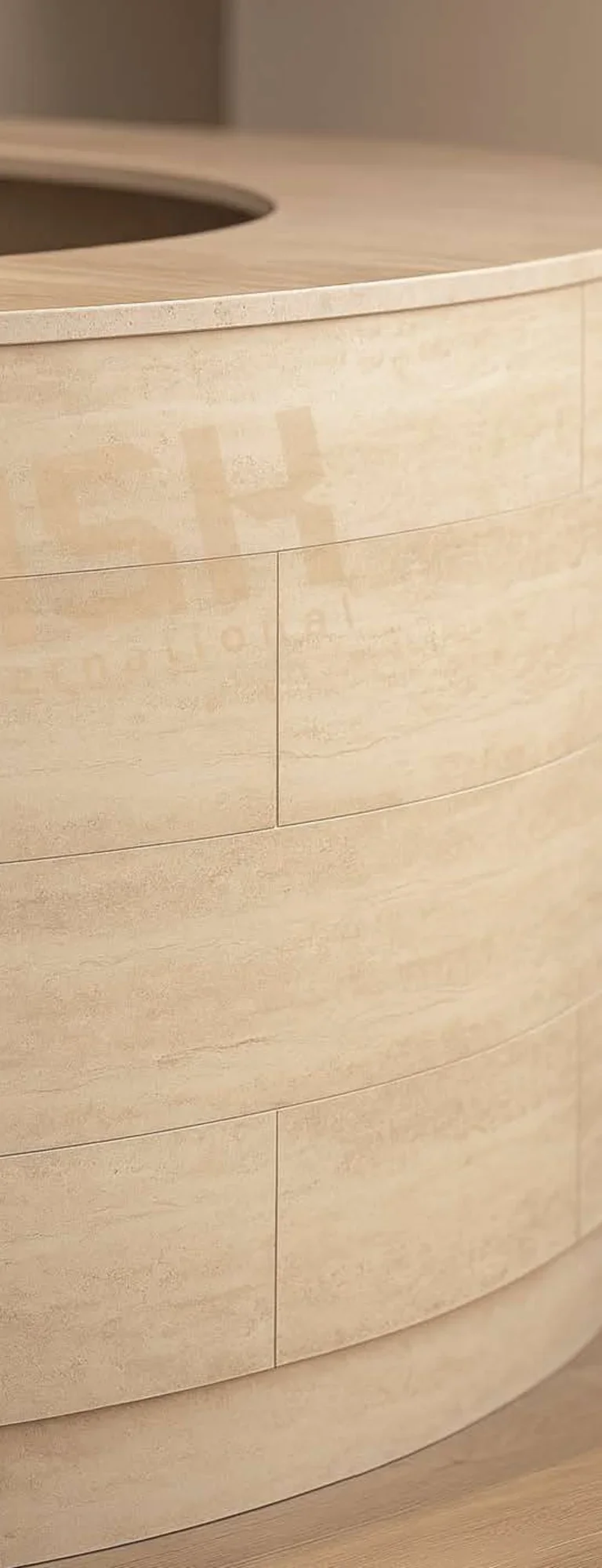
Natural clay and sand are combined with a polymer resin and backed with fibreglass mesh, then cast in texture moulds taken from stone. The result looks and feels mineral, with the soft colour and open pores of travertine, but in a sheet thin enough to flex.
Textures and colours
The range sits in two collections, Travertine and New Travertine, 23 designs in all. The colours are soft beiges, creams, sands and honey tones. Textures run from classic open-pored travertine to linear, vein-cut stone and rougher, natural stone faces.
Size and thickness
Panels are 120 x 60 cm and about 2 mm thick. Other sizes can be made to order.
Why thin and flexible matters
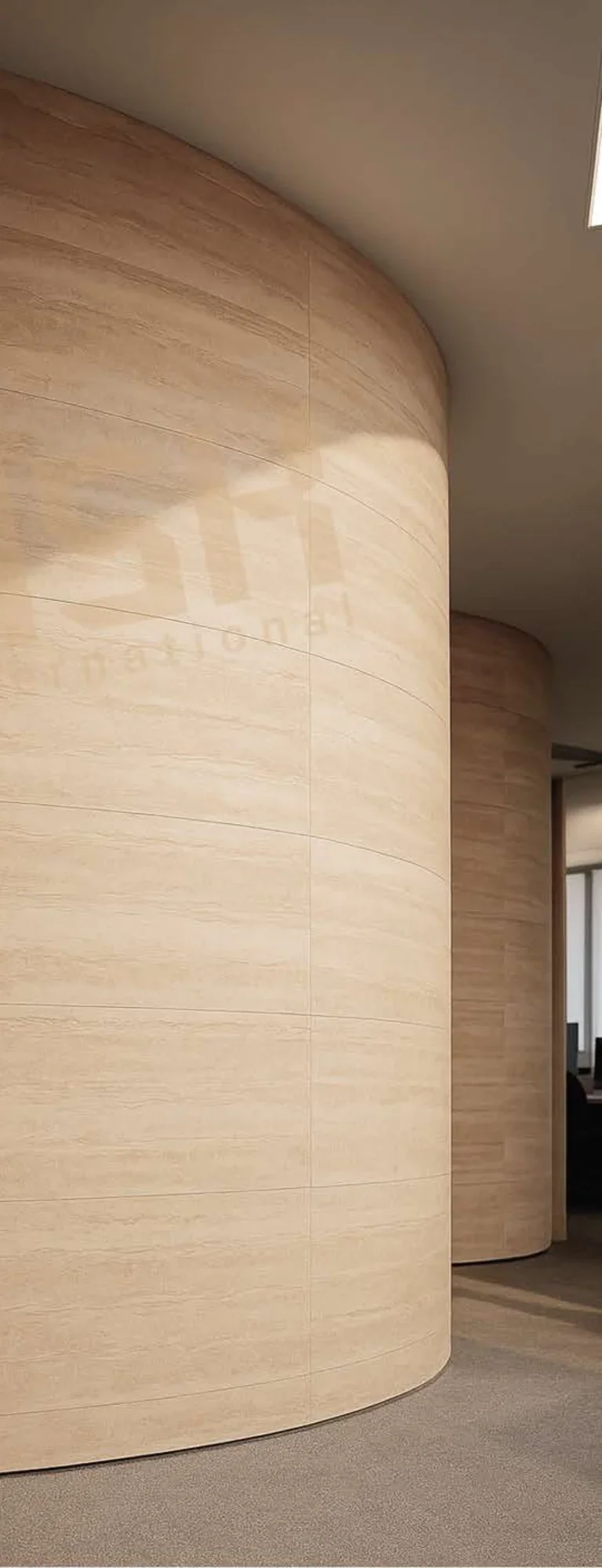
Because the panel bends, it follows round columns, curved walls, arches and rounded edges in one continuous surface. It can be cut for edges and corners, so a stone texture can wrap a room or a form without joints in heavy stone.
Where it suits
- Façades
- Elevations and front walls with a natural stone look.
- Compound walls
- A boundary wall with a travertine texture.
- Columns
- Round and square columns, inside or out.
- Lobbies and hotels
- Reception walls, lift lobbies and curved features.
- Accent walls
- Living rooms, restaurants and retail backdrops.
Designing with polyclay
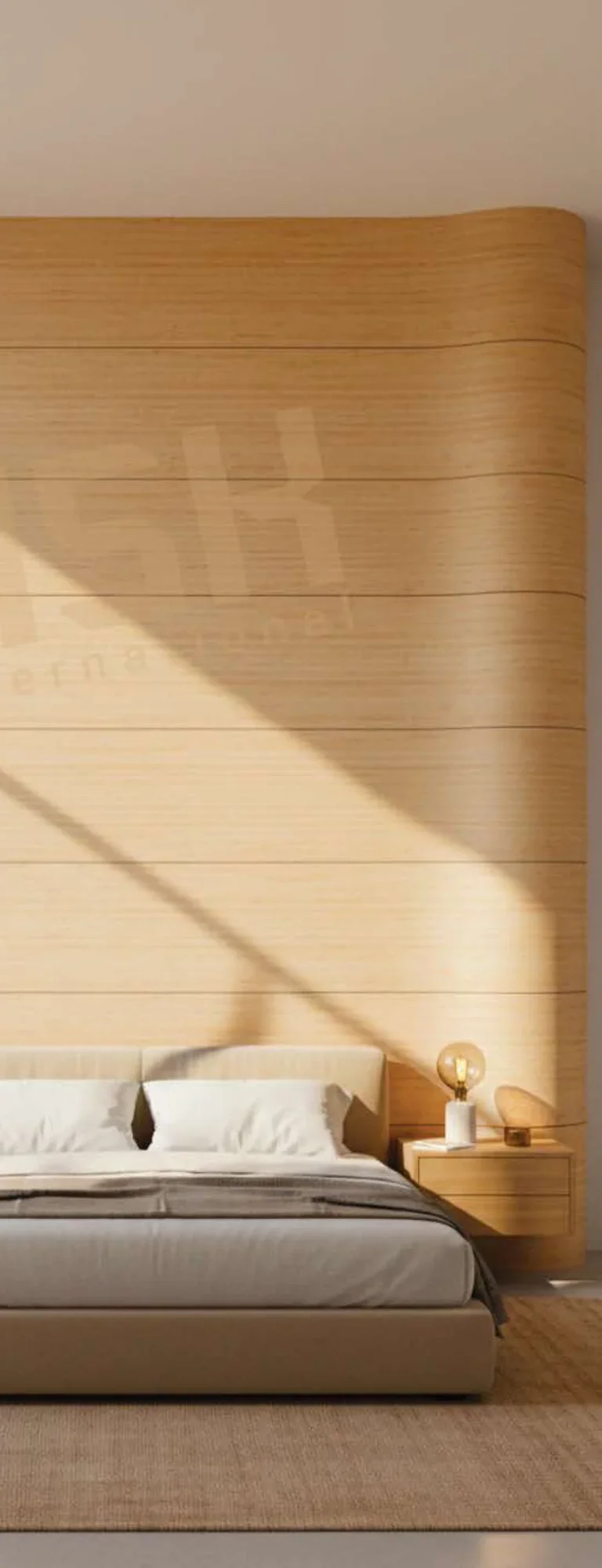
Travertine tones sit naturally with warm timber, bronze, linen and cane. Soft, low lighting brings out the pores and veins; strong grazing light shows more of the texture. On a façade, pair it with dark window frames or timber battens for contrast.
Polyclay or stone veneer?
Stone veneer is a thin layer of real natural stone, with the colour variation that comes with it. Polyclay is cast from clay and sand, with a consistent travertine texture from panel to panel. Both bend for curves.
Choosing
Travertine tones are subtle and easy to misjudge on screen. See full panels at the Inlife Experience Centre in Choolai.
Complete the room
Wall, floor and ceiling, chosen together.